
Tag: ai
-
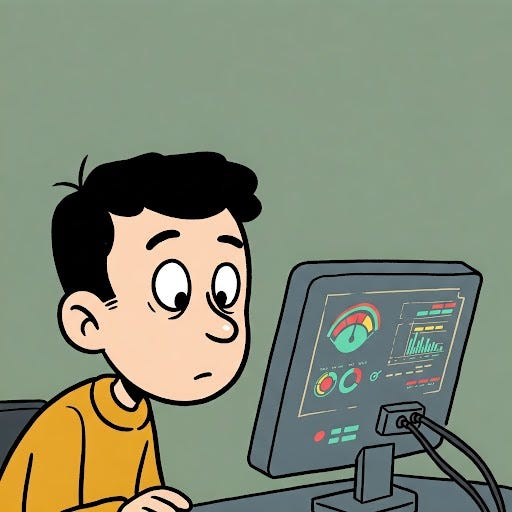
Reports VS Dashboards
Back when I worked at Setu building the Data Business, I noticed something interesting. When the dashboard isn’t your core product, it becomes 100 times harder to get traction. On the other hand, sending a daily email report is much easier and helps you build the foundation for dashboard adoption. Dashboards are fancy. Dashboards are…
-

The Illusion of Thinking: Why Apple’s Findings Hold True for AI Code Reviews
Recent research has cast new light on the limitations of modern AI “reasoning” models. Apple’s 2025 paper The Illusion of Thinking shows that today’s Large Reasoning Models (LRMs) — LLMs that generate chain-of-thought or “thinking” steps — often fail on complex problems. In controlled puzzle experiments, frontier LRMs exhibited a complete accuracy collapse beyond a complexity threshold. In other…
-
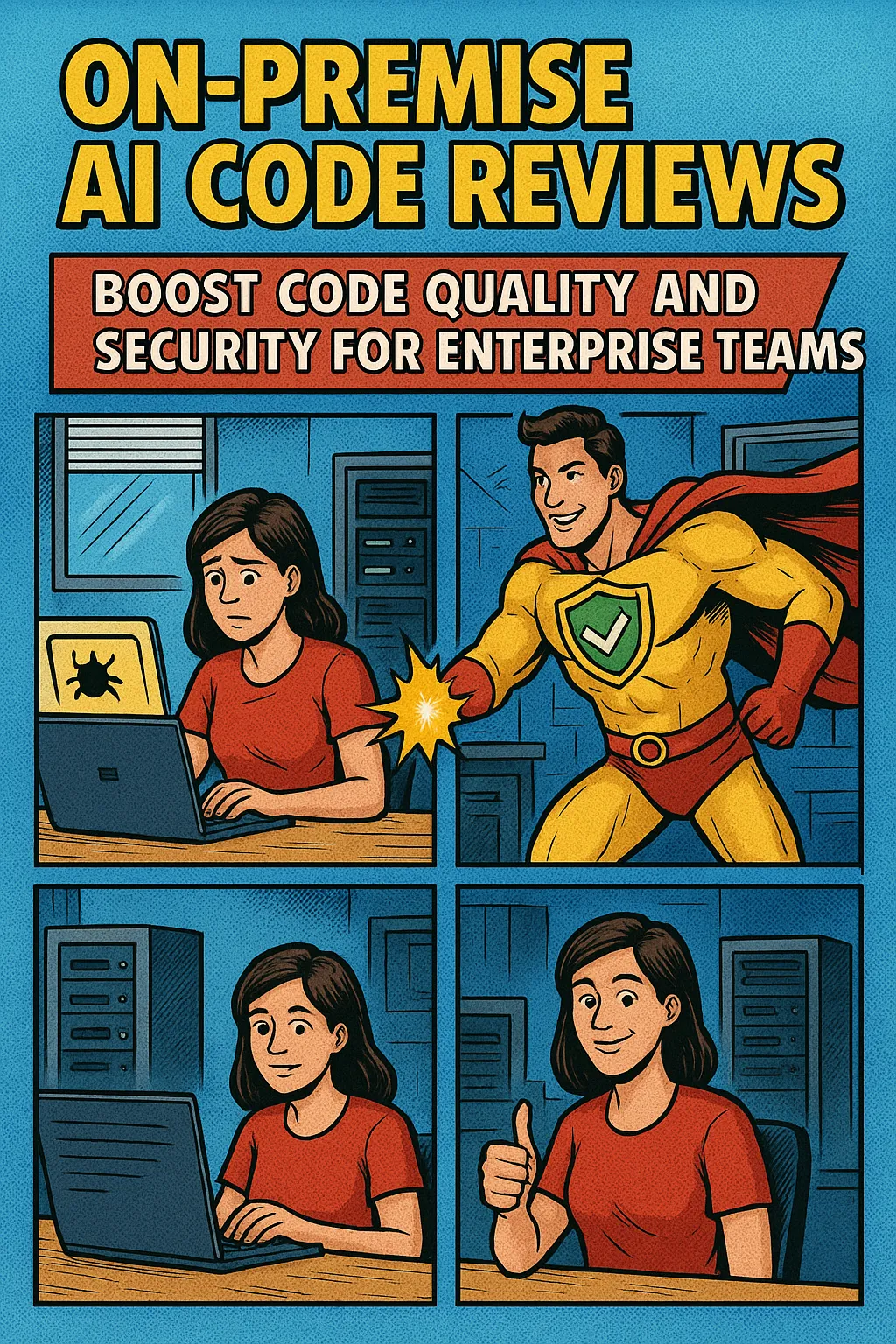
On-Premise AI Code Reviews: Boost Code Quality and Security for Enterprise Teams
Engineering leaders must constantly balance rapid innovation with the need to protect code and data. Delivering features quickly is important, yet doing so without compromising quality or security remains a top priority. AI code reviews offer significant advantages, but relying solely on cloud-based solutions can introduce risks that many organizations, especially in regulated sectors, cannot…
-

How to Reduce PR Merge Time from 14 Days to Under a Day?
Imagine engineers finishing a new feature, only to see it sit idle in a pull request (PR) queue for days or even weeks. This delay is not just frustrating-it is expensive. According to Forrester (2024), slow PR merges cost teams up to $25,000 per developer each year. While competitors continue to release updates rapidly, delayed…
-

Why Vibe Coding Cannot Build Beyond MVP
While writing this blog, I’m also vibe coding in parallel — building a comprehensive engineering dashboard that helps managers understand the quality of code being pushed to production by their teams. Vibe coding is freakishly addictive. It delivers instant Aha moments, especially for someone like me who hadn’t coded in a while. Coming back to it and…
-

Aligning Code with Business Goals: The Critical Role of Contextual Code Reviews
As a CTO, VP of Engineering, or Engineering Manager, you know that code quality goes beyond catching bugs. Every line of code should deliver real business value.In today’s fast-paced development environment, traditional code reviews often fall short. Teams need a smarter approach — one that embeds business logic, security, and performance considerations directly into the…
-

How to Identify and Fix Code Smells in Kotlin
AI-powered code review tools are revolutionizing how teams maintain code quality. For Kotlin developers, these tools can automatically catch bugs, style issues, and even subtle code smells that hurt maintainability. By automating mundane review tasks, Panto’s AI lets your team ship features faster while still enforcing best practices. In this tutorial we’ll define code smells,…
-

Zero Code Retention: Protecting Code Privacy in AI Code Reviews
As CTOs and engineering leaders, you know that source code is your crown jewels — it embodies your IP, contains customer data, and reflects years of design decisions. When we built Panto as an AI code-review platform, we treated code with that level of trust: our guiding rule has been never to store or expose customer code…
-

Why SCA Should Be Part of Code Review Checks
Software Composition Analysis (SCA) is the practice of scanning applications to identify all open-source and third-party components, along with known vulnerabilities and license information. In 2025, SCA is mission-critical. The use of open-source software has exploded — Sonatype reports over 6.6 trillion OSS downloads in 2024, with 90% of modern applications containing open-source components. At the same…